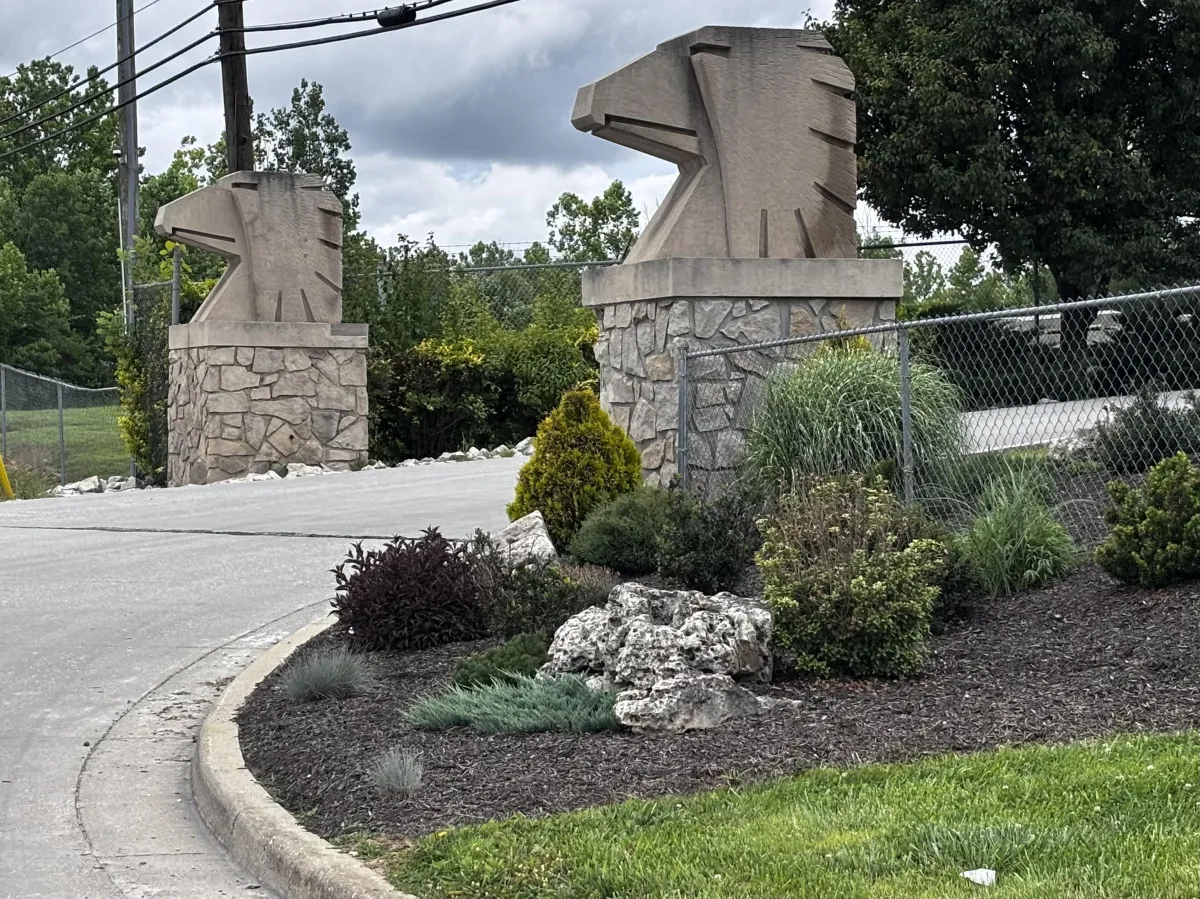
Bedford, Indiana's Limestone Built the Empire State Building
Next time you are standing in front of the Empire State Building, or driving past the Pentagon, you are looking at Bedford, Indiana. I have been selling real estate in south-central Indiana for over 20 years, and this is one of my favorite facts to hand to buyers who are still deciding whether Bedford is worth a serious look.
Curious what this history looks like up close? Call or text me at (812) 360-3863, or visit LesaMillerRealEstate.com, and I can point you toward the best places to see it in person.
Where Did Bedford's Limestone Come From?
The limestone under Bedford and Bloomington formed roughly 345 million years ago, when a shallow tropical sea covered what is now south-central Indiana. That sea left behind a limestone belt about 35 miles long and 10 miles wide, running between the two cities. Commercial quarrying started in 1827, when Richard Gilbert opened the region's first quarry.
What Makes Indiana Limestone Different?
The stone is over 97 percent calcium carbonate, which is unusually pure. That purity is why it holds the same strength in every direction, so stonecutters can carve it into columns, cornices, and detailed facades without worrying about it splitting along a weak seam. Architects have called it the nation's building stone for more than a century, and Indiana made it the official state stone in 1971.
What Did Bedford's Limestone Build?
The list is long. Bedford limestone, technically Salem limestone, went into the Empire State Building, the Pentagon, the Washington National Cathedral, the Lincoln Memorial, and the Indiana Statehouse, which opened in 1888. It shows up on 27 state capitol buildings and on campus buildings at Harvard, Yale, and Indiana University. Most of it never carried a name tag back to Lawrence County, but it is there.
Indiana Limestone at a Glance
•Commercial quarrying began: 1827, Richard Gilbert's quarry
•Limestone belt: About 35 miles long, 10 miles wide, between Bloomington and Bedford
•Purity: Over 97 percent calcium carbonate
•Formed: Roughly 345 million years ago, ancient inland sea
•Notable buildings: Empire State Building, Pentagon, Washington National Cathedral, Indiana Statehouse, Lincoln Memorial
•Indiana state stone: Designated 1971
•See it in person: Indiana Limestone Heritage Trail, or the Indiana Limestone Symposium each June at Bybee Stone Company in Ellettsville
Why This Matters If You Are Looking at Bedford
None of this makes Bedford a museum. It is a working town with a real industry underneath it, one that shipped a piece of Lawrence County to nearly every major American city. That same stone shows up close to home too, in Bedford's heritage limestone homes and in the storefronts of downtown Bedford's historic business district, including buildings like the Dunn Memorial Temple on the courthouse square.
When people move here, they are not just buying a house. They are moving somewhere with a documented legacy, one most of the country has looked at without knowing where it came from. It is part of why Bedford keeps showing up as a hidden option for families relocating to south-central Indiana.
If you want to see the quarries, the carving studios, or the buildings this stone came from in person, call or text me at (812) 360-3863 or visit LesaMillerRealEstate.com. I can point you toward the best starting spot.
Frequently Asked Questions
When did commercial limestone quarrying start in Bedford, Indiana?
Commercial quarrying began in 1827, when Richard Gilbert opened the region's first quarry in what is now Lawrence County.
What makes Indiana limestone different from other building stone?
It is over 97 percent calcium carbonate, which makes it unusually pure, consistent in strength in every direction, and easy to cut and carve. That is why architects and stonecutters have relied on it for more than a century.
What buildings were built with Bedford's limestone?
The list includes the Empire State Building, the Pentagon, the Washington National Cathedral, the Lincoln Memorial, and the Indiana Statehouse, along with buildings on the Harvard, Yale, and Indiana University campuses, among thousands of others.
Can I see the limestone quarries and heritage sites in person?
Yes. The Indiana Limestone Heritage Trail is a self-guided route through the region's limestone sites, and Lawrence County hosts the Indiana Limestone Symposium each June at Bybee Stone Company in Ellettsville. I am happy to point you toward a starting spot.
Lesa Miller, Broker | REALTOR®
Lesa Miller Real Estate
RE/MAX Acclaimed Properties
3695 S Sare Rd, Suite 138, Bloomington, IN 47401
Serving Bloomington, Bedford and the Surrounding Indiana Communities
(812) 360-3863 | [email protected]
LesaMillerRealEstate.com