What Buyers and Sellers in Bloomington Indiana Should Know About Home Inspections Right Now
Prices in the Bloomington real estate market have softened over the past year. That's real and documented. What doesn't get talked about enough is what happened to the transaction experience at the same time.
It got harder.
Inspections are longer, repair requests are more aggressive, and negotiations after the inspection have gotten tougher than they were 18 months ago, regardless of what the list price says. I've been doing this for over 20 years and I see it on both sides of the table right now. Buyers who expected lower prices to mean a smooth path to closing are sometimes surprised. Sellers who priced well and got an offer are sometimes blindsided by what comes out of the inspection period.
This article is for both of you.
The Market Context You Need First
Based on the most recent Indiana Regional MLS data, Monroe County's median sale price came in at $342,500 in May 2026, essentially flat year-over-year. Active listings are up 8% from a year ago. Homes are sitting a bit longer. The sale-to-list ratio is holding at 96.8%, which tells you that well-priced homes are still getting close to asking.
What that data doesn't tell you is that buyers are using the inspection period more aggressively than they were in 2023 or 2024. When the market was flying, buyers were sometimes waiving inspections entirely or limiting repair requests just to get under contract. That's largely gone. The inspection contingency is back as standard practice, and buyers are using it.
For sellers, this means the inspection is not just a formality. For buyers, this means the inspection is one of the most important decisions you make in the entire process, starting with who you hire.
How to Choose a Home Inspector in Bloomington
This is where I'm going to be direct with you, because I've seen enough inspections to have strong opinions.
Not all home inspectors are the same. The difference between a thorough inspector and a cursory one can be thousands of dollars in missed issues or, worse, a problem you don't find out about until after closing.
Here are the questions I'd ask before hiring anyone:
Will you personally be doing the inspection?
Some inspection companies have grown into multi-inspector operations. On paper that sounds like a mark of success. In practice, when you hire a company rather than a specific inspector, you may not know who's actually showing up until the morning of. The inspector you researched and whose reviews you read may be sending someone else, someone newer, someone you know nothing about.
The inspectors I've seen consistently produce thorough, reliable reports are the ones who do the work themselves and have been doing it for a long time. Experience matters in this business in a way that's hard to replicate with training alone. A longtime inspector has seen what happens to 20-year-old plumbing, what certain staining patterns actually mean, and which findings are genuinely serious versus cosmetic.
Ask the question directly. If you're hiring an individual inspector, confirm they'll be there. If you're hiring a company, ask which inspector will be assigned and ask to see their specific experience and background.
How do you inspect the roof?
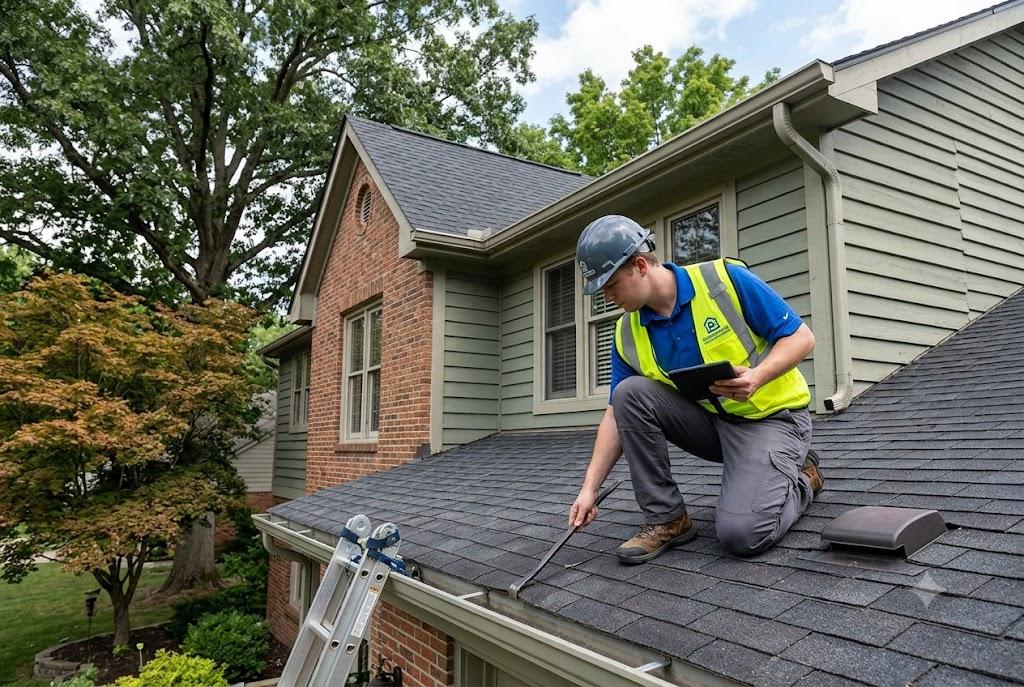
This one matters more than buyers usually realize. There are three approaches an inspector might use: physically getting on the roof, using a drone, or looking at it from the ground with binoculars.
A ground-level visual is the least I'd want on any inspection I'm involved in. The roof is one of the most expensive systems in a home. A replacement can run $15,000 to $30,000 or more depending on the size and materials. Missing a problem there because the inspector didn't get up close enough is a costly miss.
Get on the roof when it's safely accessible, or use a drone with enough resolution to actually see the condition of the shingles, flashing, and penetrations. Ask the question upfront. A good inspector will tell you their method without hesitation.
How long have you been inspecting?
There's no substitute for time in this profession. An inspector who has been in Bloomington for 15 or 20 years has seen the particular issues that show up in this market, including older limestone construction, specific drainage patterns, the crawl space conditions common in our climate, and how homes of different eras tend to age here. That local pattern recognition is worth a lot.
Years of experience also tells you something about their track record. They're still in business, still getting referrals, still doing the work. That's meaningful.
What Does a Good Inspection Report Actually Tell You?
A well-written inspection report is one of the most useful documents you'll get in the homebuying process. A poorly written one can either alarm you unnecessarily or leave you without enough information to make decisions.
Here's what I'd look for in a useful report:
•Clear differentiation between what's a safety issue, what's a maintenance item, and what's a cosmetic defect. Not everything in the report carries the same weight.
•Enough description to understand what the finding actually is, not just that something was observed.
•Photos that show the specific area in question, not just the room.
•A sense of severity. Is this deferred maintenance or a significant structural concern?
The area where I've seen inspection reports fall short is an over-reliance on boilerplate language. When a report recommends consulting a specialist on virtually every finding, the report loses its usefulness to the buyer. A general home inspector is not a licensed electrician or a structural engineer, and there are absolutely times when referring out is the right call. But when that language appears on every item, including things well within a general inspector's scope to evaluate, it raises a question about what the report is actually telling you.
You want a report that gives you a clear picture of the home's condition and helps you understand which findings warrant further investigation versus which ones you can address through normal maintenance or a negotiated credit.
After the Inspection: What Buyers Can Reasonably Ask For
Once the report comes in, here's where the real negotiation starts. In the current Bloomington market, buyers have more room to negotiate than they did a couple of years ago, but that doesn't mean every item in a 40-page report becomes a line item in a repair request.
What sellers are generally willing to address:
•Safety items, things that pose an actual risk: active water intrusion, electrical hazards, CO or radon issues above action thresholds, structural concerns with documentation.
•Systems that are at or near end of useful life and weren't disclosed: HVAC, water heater, roof.
•Items that would affect financing approval, especially on USDA, FHA or VA loans.
What tends to create friction:
•Long lists of deferred maintenance items that a buyer is essentially asking the seller to handle in lieu of price negotiation.
•Requests based on a single "have an expert look at it" recommendation with no underlying documentation of an actual problem.
•Cosmetic items on a home that was listed and priced accordingly as a fixer.
The most effective post-inspection negotiations I've seen are the ones where the buyer's agent focuses the request on the genuinely significant findings and either asks for repair or a credit toward closing costs. Trying to negotiate every line item in a comprehensive report often creates resistance that slows or derails deals that should have closed.
If you're a buyer working with me, we'll go through the report together before sending anything to the seller. That conversation matters.
What Sellers Should Know Before the Inspector Arrives
The single most effective thing a seller can do to reduce inspection drama is a pre-listing inspection. You find out what's there before a buyer does, you decide what to fix, and you price accordingly. No surprises for anyone.
Short of that, a few things that consistently show up in Bloomington inspections and are worth addressing before listing:
•Crawl space moisture and vapor barrier condition. This market has a lot of homes with crawl spaces and they're a frequent source of inspection findings.
•HVAC service records. If you can't show the last service date, buyers will assume the worst.
•Electrical panel condition, especially on older homes. Certain panel brands and configurations create concern for buyers and their lenders.
•Roof age and condition. If you know the roof is 18 years old, disclose it. A buyer who discovers it through the inspection feels differently about it than a buyer who knew going in.
Disclosure in Indiana is a real obligation, not a suggestion. And practically speaking, buyers who feel informed tend to negotiate more reasonably than buyers who feel like something was hidden.
The Bottom Line
If you're buying in Bloomington right now, hire an inspector who has been doing this for years, does the work personally, and will physically access the roof. Ask those questions before you book anyone. And don't let a long list of findings panic you before you've had a chance to sort through what actually matters. That's what working with an experienced local broker is for.
If you're selling, price the home accurately, disclose what you know, and don't be caught off guard by an inspection request. The current Monroe County market data shows homes are still selling at 96.8% of list when they're priced right. The inspection period doesn't have to derail that.
The spring 2026 market in Bloomington is a recalibration, not a crisis. Transactions still close every week. But they require more careful handling than they did two years ago, and the inspection period is exactly where that care matters most.
If you have questions about a specific inspection report, a repair request you've received, or how to approach the process on either side of the table, reach out. I've been through this enough times that I've probably seen your situation before.
Lesa Miller, Broker | REALTOR®
Lesa Miller Real Estate, RE/MAX Acclaimed Properties
Serving Bloomington, Bedford and the Surrounding Indiana Communities
(812) 360-3863 | LesaMillerRealEstate.com