The Hidden Costs of Moving to Bloomington Indiana Nobody Talks About
I’ve spent the last couple of articles making the affordability case for Bloomington, and that case is real. The cost-of-living math here works for most relocating buyers, the new property tax structure for 2026 saves people meaningful money every year, and the housing dollar stretches further than it does in most comparable markets or any major metro.
But I’d rather give you the honest picture than the sales pitch, so let’s talk about the parts that aren’t on the brochure. The costs people don’t budget for, the ones that show up after closing and surprise them, and the financial realities of Bloomington that are worth knowing before you sign anything.
The people reading this article generally fall into one of a few groups. Families and professionals relocating for jobs at Cook Medical, the Bloomington bio-pharma operations now under Novo Nordisk, Simtra, IU Health, or defense engineering connected to Crane Naval Surface Warfare Center. Faculty and staff coming to Indiana University. Retirees drawn by the cultural calendar and the slower pace. Indianapolis parents buying property for their kids at IU. The hidden costs I’m about to walk through hit each of these groups a little differently, but most of them touch everyone.
I’ve been doing this for over 20 years and the same handful of things catch relocating buyers off guard every single year. Here they are.
The Limestone House Tax
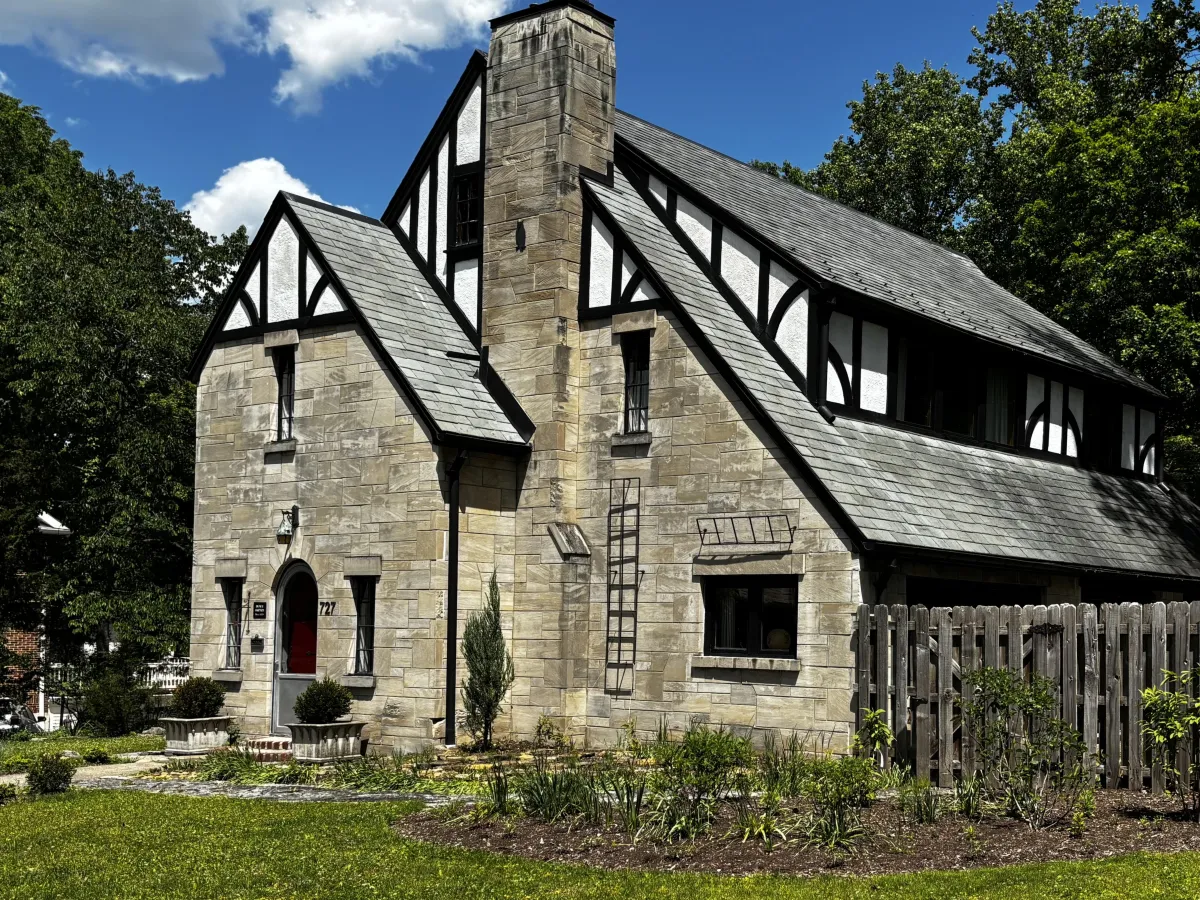
Bloomington has some of the most beautiful older homes in the Midwest. The limestone houses in Elm Heights and the neighborhoods near campus, the brick bungalows in Bryan Park, the older homes on the near-east side. They have character, original woodwork, hardwood floors, deep porches, and trees old enough to arch over the streets.
They also have old systems. Old wiring, old plumbing, old HVAC, and windows that have been there since before the Carter administration. Buyers fall in love with the look and don’t always think through what those original features mean for the monthly bills and the maintenance budget.
Heating an older limestone home through a southern Indiana winter is not cheap. Energy bills in the $250 to $400 range in January and February are common for the bigger drafty houses with original windows. The fix is either a major investment in window replacement and insulation, which can run $15,000 to $40,000 depending on the house, or you accept higher utility bills as part of the cost of living in a beautiful old home.
The same houses also have older roofs, older furnaces, older everything. Replacement costs on these systems are not lower in Bloomington than they are anywhere else. A roof replacement on a two-story older home runs $12,000 to $25,000. A furnace and AC replacement runs $7,000 to $15,000. None of this is unique to Bloomington, but it tends to come up faster in the older housing stock here than it would in newer construction elsewhere.
A good inspection is the single best money you can spend during the buying process if you’re looking at older homes. I push hard on this with every buyer.
Childcare Costs Don’t Scale Down
This is the one that catches young families completely off guard. Bloomington’s housing costs are dramatically lower than what relocating families paid in their previous market, often by 30 to 50%. The expectation going in is that everything will be lower. So they mentally budget childcare at a similar discount and then the actual quote comes in and it doesn’t match.
Full-time daycare for an infant or toddler at a quality center in Bloomington runs somewhere in the $1,100 to $1,500 a month range. That’s lower than national averages and meaningfully lower than what families paid in major metros, but it’s not lower in proportion to the housing savings. For a family with two kids in full-time care, that’s $2,200 to $3,000 a month in childcare alone, which is a real number to absorb.
If you have young kids and you’re running the math on moving to Bloomington, factor in the childcare specifically. Don’t assume it scales with the housing.
IU Football Weekends and the Logistics Cost
This one’s not a direct cost but it’s a tax on your time and patience. Indiana University football weekends, basketball games, and especially move-in week in August produce traffic patterns and parking situations around campus that genuinely disrupt the rest of the city.
If your house is on the wrong side of campus for game day traffic, what is normally a 10-minute drive can become a 40-minute drive. Move-in week in August adds thousands of cars and U-Hauls to the area in a compressed window, and any errand that takes you near campus during that week is going to take longer than you planned. None of this is a deal-breaker. It’s just a reality of living in a community with a major university, and people who didn’t grow up near one don’t always factor it in.
Some Bloomington residents plan their grocery runs and errands specifically to avoid certain corridors on game days. After a year or two it becomes second nature, but the first season catches everyone.
The Specialty Drive
Bloomington has good healthcare. IU Health Bloomington Hospital is solid, primary care options are widely available, and most routine needs are well-served in town. For specialty care, particularly anything involving subspecialists, pediatric subspecialists, or major procedures, you’re often driving to Indianapolis. That’s about an hour each way for most appointments at IU Health Methodist, Riley Children’s, or one of the other Indianapolis-area hospitals.
It’s not a constant thing for most families. But over the course of a year, the specialty appointments, the procedures, the consultations add up to real time in the car and real cost in gas, parking, and time off work. People relocating from major metros where they had a children’s hospital and every specialty within 20 minutes of home sometimes don’t fully appreciate this until they need it.
The same is true for certain niche retail and certain professional services. Bloomington has a lot, but it doesn’t have everything, and the things it doesn’t have are often an hour away.
The Cultural Calendar That Costs Money
People come to Bloomington for the cultural calendar and then they realize the cultural calendar is something you actually need to pay for to use. Jacobs School of Music concert tickets are affordable but not free, and a season of regularly attending performances adds up. IU basketball season tickets, when you can get them, are a real line item. Farmer’s market on Saturday morning is wonderful and also more expensive than your normal grocery run. IU Cinema, the speakers, the visiting performers, the special events.
This is a good cost in my opinion. People who plug into the cultural life of Bloomington tend to be the ones who plant the deepest roots and who would never consider moving away. But it’s a budget item, and the more you take advantage of what’s here, the more you spend on it.
If you’re moving here specifically because of IU’s cultural offerings, build a line item for it into your monthly budget. Twelve dollars per event sounds cheap until you go to four events a month for a year.
Lawn and Property Maintenance for the Tree-Lined Streets
The trees are part of what makes Bloomington beautiful. They’re also the reason you might be paying $400 to $1,200 a year for tree maintenance, leaf removal, or eventual tree work on properties with significant canopy. Some of the older neighborhoods have homes with three or four mature hardwoods that produce leaf volumes most relocating buyers from the West Coast or the Southwest have never dealt with.
If you’re not handling the leaf removal yourself, plan on it. If you are, plan on time. Either way, it’s a real piece of the property maintenance picture in this part of the country, and a lot of buyers don’t think about it until November of their first year here when the leaves bury the lawn.
A Note for Parents Buying for an IU Student
This deserves its own paragraph because the parent-buyer audience is bigger in Bloomington than people realize. If you’re buying a condo or a small house for your kid attending Indiana University, the hidden cost picture looks a little different. You’re typically not living in the property, so utility bills are someone else’s concern (or your kid’s, depending on how the arrangement works). But maintenance still falls on you. So does the cost of property management if you’re not local. So do the trips down from Indianapolis or wherever to handle problems. And so does the eventual decision about whether to sell after graduation, hold as a rental, or pass it to a younger sibling. I’m planning a standalone post on this specific audience because the math is its own conversation, and the buyers I’ve worked with in this category over the years have surprised themselves either positively or negatively depending on how clearly they thought through the holding-and-exit math before they bought.
What This All Adds Up To
None of these is a reason not to move to Bloomington. The cost-of-living math still works for most relocating buyers, even with all the hidden costs accounted for. But the honest financial picture of moving here includes the older home maintenance reality, the childcare costs that don’t scale with the housing savings, the specialty drive to Indianapolis when you need it, the cultural calendar that you’ll actually use and pay for, and the maintenance demands of older properties with mature landscaping.
The buyers who land happiest are the ones who go in with their eyes open about all of it. They get the inspection, they budget for childcare honestly, they understand the tradeoffs, and they choose Bloomington because the whole picture still adds up, not because they thought it was going to be free.
If you want the rest of the financial picture, what it actually costs to live in Bloomington Indiana is the primary breakdown. For the 2026 property tax changes, what Indiana’s 2026 property tax changes mean for Bloomington homeowners and buyers covers the structure in detail. And for the comparison between Bloomington and Indianapolis specifically, Bloomington vs Indianapolis cost of living walks through that question.
I’d rather have the honest conversation with you about all of this before you start looking at listings than have you figure it out the hard way after closing. Twenty years of doing this means I know what the surprises actually are, and I can help you avoid the expensive ones.
If you’re thinking about a move to Bloomington and want to talk through what the market actually looks like for your situation, I’m happy to have that conversation.
Lesa Miller, Broker | REALTOR® Lesa Miller Real Estate | RE/MAX Acclaimed Properties Serving Bloomington, Bedford and the Surrounding Indiana Communities (812) 360-3863 | [email protected] https://LesaMillerRealEstate.com