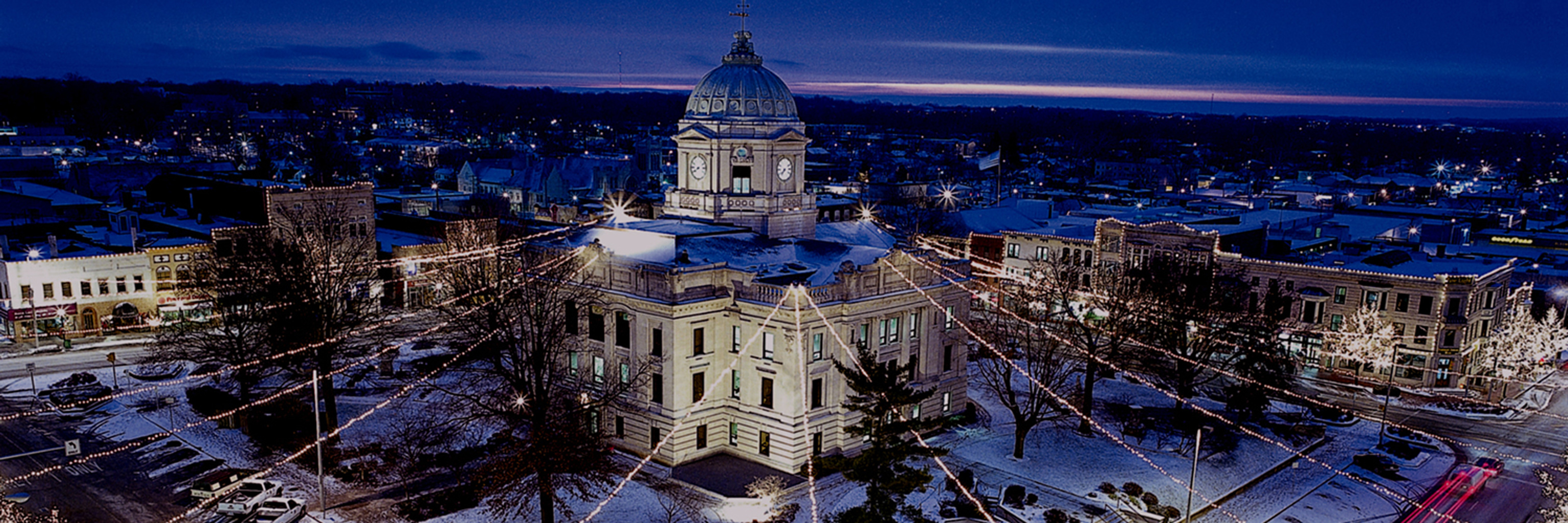
What Are the Best Neighborhoods in Bloomington, Indiana for Home Buyers?
If you’re thinking about buying a home in Bloomington, one of the first questions is usually not, “How many bedrooms do I need?” It’s, “Where should I live?” That’s the real question. Bloomington is not one of those places where every part of town feels the same. Your day-to-day life can look very different depending on whether you want to be close to Indiana University, near downtown, on the east side by shopping and restaurants, or in an area that feels quieter and a little more spread out. Bloomington also has a wide range of neighborhood types, from older walkable areas near the city core to subdivisions and newer-feeling pockets farther out. The city’s neighborhood association maps, IU campus maps, trail maps, and school-boundary tools all make it pretty clear that “best” depends on what kind of life you want once you get here.
The good news is that Bloomington gives buyers options. The local market is not one-size-fits-all, and that matters if you’re relocating from Indianapolis, Chicago, Louisville, or another college town. Recent market pages show Bloomington prices and pace can vary depending on the data source and by ZIP code, with 47401 generally showing higher sale prices than 47403. That does not mean one area is automatically better than another. It usually means buyers need to think about priorities first, then target the part of town that fits those priorities.
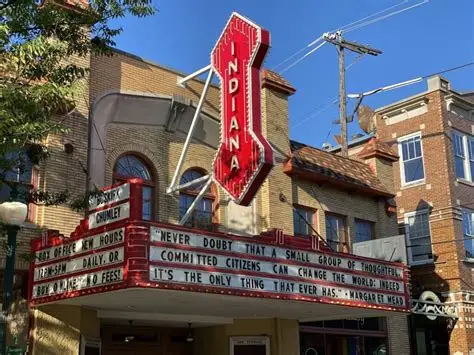
Lesa Miller is a Realtor in Bloomington, Indiana helping buyers make smart moves with local context, not generic advice. If you’re trying to figure out where you would actually feel at home, this is the kind of decision that gets much easier when you break Bloomington into a few simple lifestyle categories.
Start with how you want to live
Before you fall in love with a listing, it helps to be honest about what you want your week to feel like. Some buyers want to walk to restaurants, parks, or parts of campus. Some want quicker access to stores and errands. Some care most about yard size, quieter streets, or feeling a little removed from student-heavy pockets. Some buyers are focused on school boundaries, and Bloomington gives you an official MCCSC address lookup for that because attendance areas matter and can change over time.
That is one of the biggest mistakes buyers make here. They search by price first and lifestyle second. In Bloomington, that usually leads to frustration because a home that looks perfect on paper may put you in the wrong daily routine. A better way to shop is to decide what matters most. Do you want a shorter trip to IU? Do you want easier access to shopping? Do you want more space? Do you want a neighborhood feel with established trees and older homes? Once you know that, the right area starts to narrow itself down.
The east side is often the easiest fit for convenience-minded buyers
If your version of a good neighborhood includes quick errands, familiar retail, dining options, and easier access to major roads, the east side is usually one of the first places buyers look. Bloomington’s east side is widely associated with the College Mall area and a lot of day-to-day convenience. It tends to make sense for buyers who want a practical lifestyle, especially if they are new to town and want a smoother landing. Local coverage and resident discussion also consistently point to the east side for shopping, groceries, and easy access toward Lake Monroe and Brown County routes.
This area can work well for professionals, medical buyers, university-affiliated buyers, and people who do not need to be right next to downtown to enjoy Bloomington. It is also a strong option for buyers who want a neighborhood that feels established but not overly student-centered. The tradeoff is that you may not get the same walkable historic charm you find in some closer-in neighborhoods, and depending on the exact pocket, you may be paying for convenience rather than character. Still, for many buyers moving into Bloomington for the first time, the east side feels easy. That matters more than people realize.
The southeast side and Bryan Park area appeal to buyers who want charm and closeness
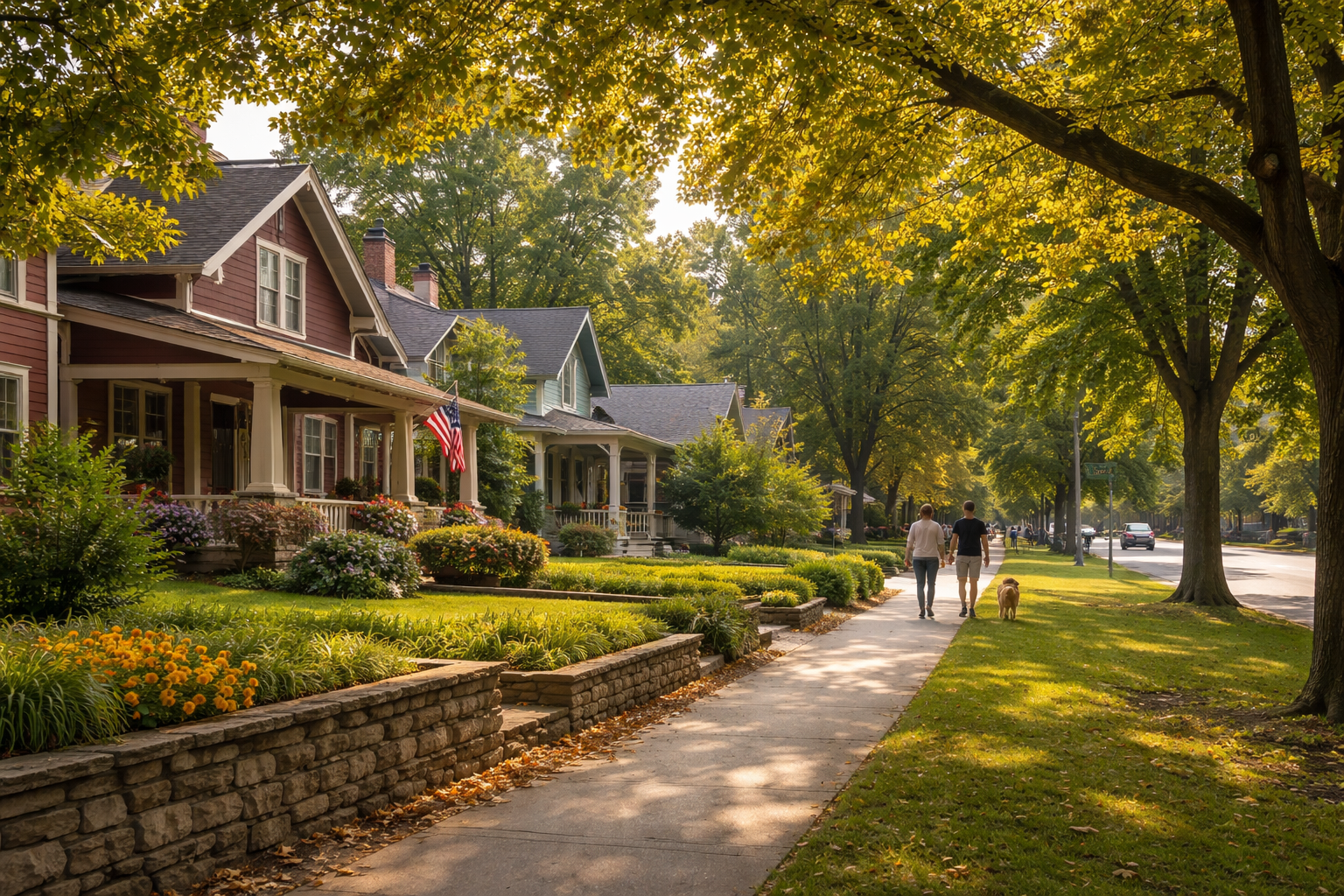
If you picture Bloomington as tree-lined streets, character homes, parks, and easier access to both downtown and campus, the southeast side usually rises to the top. Bryan Park is one of the city’s well-known parks, and the surrounding area is often attractive to buyers who want a more established neighborhood feel. Bryan Park itself is a city park with trails, sports facilities, and green space, and the nearby neighborhoods benefit from that lifestyle appeal.
This part of town can be a great fit for buyers who want a little more personality in the housing stock and who do not mind that some homes may be older. In Bloomington, older often means more charm, but it can also mean more maintenance, smaller closets, or updates you may want to make over time. That is not a bad thing. It just means buyers should go in with clear expectations.
For many relocating buyers, the southeast side feels the most “Bloomington.” It has the local feel people are usually hoping for when they move here. If you want access to parks, local streets with character, and a location that keeps you connected to the core of town, this is often where the conversation starts.
Near west side and Prospect Hill can make sense if you want downtown access and older character
Buyers who want to be close to downtown often look at near west side areas and neighborhoods like Prospect Hill. The City of Bloomington identifies Prospect Hill as a historic district west of downtown, and neighborhood materials describe it as a mixed residential area with owner-occupied homes, rentals, and small multifamily buildings.
This part of Bloomington can be a really good match for buyers who value location and character more than square footage. You are often paying for proximity and feel. That can be worth it if your ideal weekend includes local coffee shops, the downtown square, community events, and a shorter trip to the heart of town. It may be less ideal if your priority is a newer home, a larger lot, or a more conventional subdivision feel.
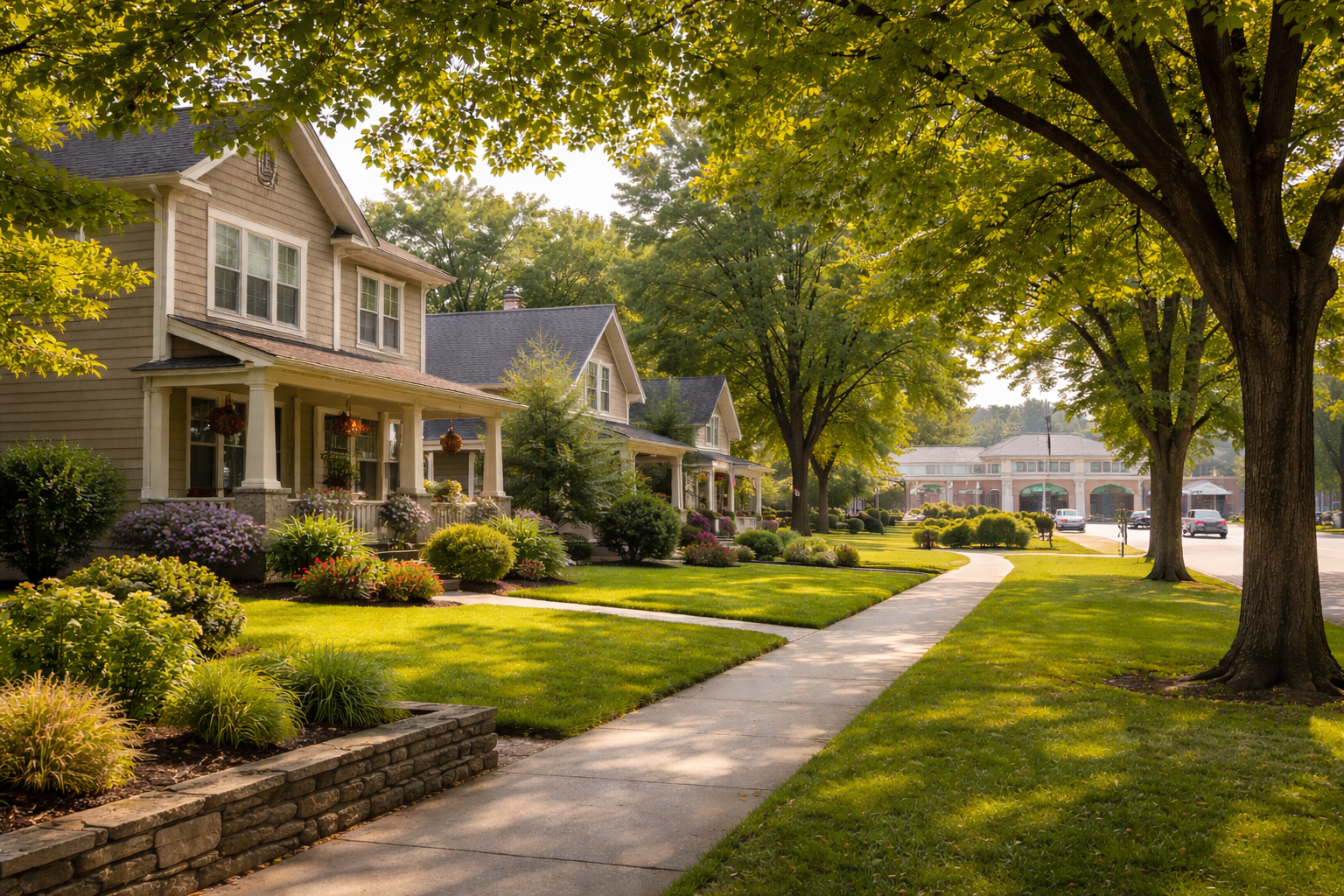
Some buyers love this tradeoff immediately. Others realize they want a bit more breathing room. That is why seeing homes in person matters here. A neighborhood that looks perfect online can feel different when you drive it at 8:00 a.m. on a weekday or on a Saturday when town is busy.
The south side is worth a serious look for buyers who want balance
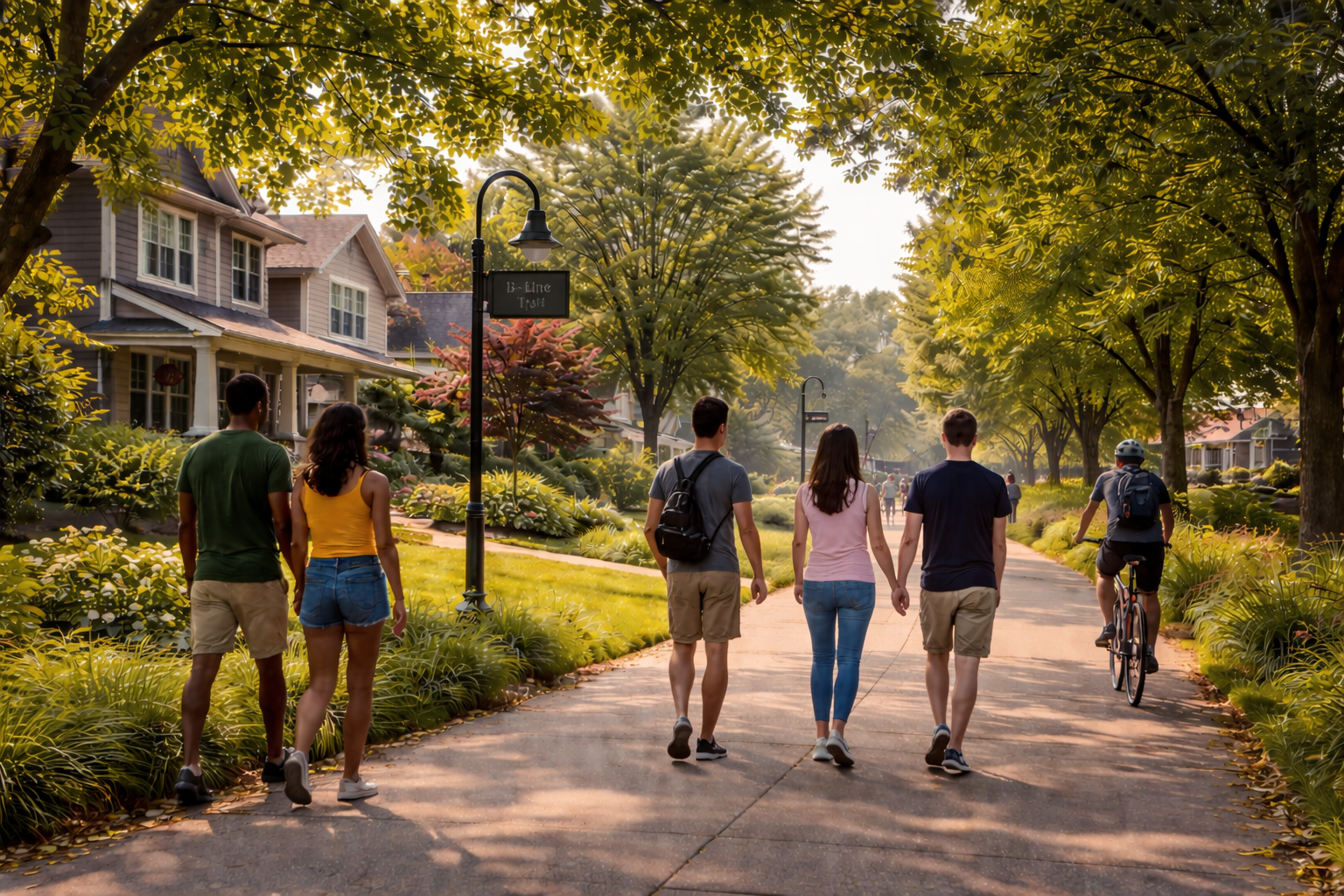
The south side often ends up being a strong middle-ground option. Buyers can find areas with easier access to the B-Line Trail, Switchyard Park, and routes that connect into the rest of town. The B-Line runs 3.1 miles through Bloomington and connects to the Bloomington Rail Trail, and it is one of those lifestyle features that quietly matters once you live here.
For some buyers, the south side feels more livable than flashy. That is not a criticism. It is actually the reason many people like it. You can often find a nice mix of neighborhood settings, practical commutes, and access to parks and trails without feeling like you are right in the middle of the busiest parts of town. If you want Bloomington access with a little breathing room, this area deserves a closer look.
This is also one of those parts of town where a buyer’s exact definition of “close” matters. Some people think ten to fifteen minutes to campus is totally fine. Others want to be much closer. That personal definition changes the map fast.
The west side can work well for value-focused buyers
If your goal is to stretch your budget, get more house for the money, or avoid paying a premium for a central location, the west side is often part of the conversation. City planning documents have noted lower-cost ownership opportunities in some west-side areas compared with other parts of Bloomington. That does not mean every west-side neighborhood is the same. It just means buyers who are price-sensitive should not ignore this side of town.
The west side can make sense for buyers who care more about house size, lot size, or price point than being close to downtown or campus. For some people, that is the smart move. For others, it feels too far from the parts of Bloomington they want to use most. Again, that is why the “best” neighborhood is really about fit.
When I talk with buyers, this is often where we sort out whether they are trying to buy a house or build a lifestyle. Most people want both, but one usually matters more.
If you work at IU, commute and traffic should matter more than you think
Indiana University shapes Bloomington life in obvious and not-so-obvious ways. The IU campus maps make it easy to see how large and spread out campus can be, and transit options connect campus with much of Bloomington. IU’s transportation and housing resources also point out how many off-campus areas connect by bus.
That is useful if you work at IU, have a partner who works there, or simply want to stay connected to campus activity without living in the most student-heavy areas. It also means a neighborhood that looks “close enough” on a map may feel very different depending on where you actually need to go on campus and what time you need to get there.
A buyer moving to Bloomington for a university job may prioritize the southeast side, east side, or certain central neighborhoods. A buyer who wants distance from the busiest campus influence may look farther out. Neither is right or wrong. They are just different versions of living well in Bloomington.
School boundaries should be checked, not assumed
A lot of buyers casually ask, “What school district is this in?” In Bloomington, the better question is, “What is this address zoned for right now?” MCCSC provides an address lookup and boundary maps, and the district has also been studying redistricting scenarios, which is a reminder that buyers should verify school assignment directly instead of relying on an old listing description or general neighborhood reputation.
That is especially important if schools are a major part of your home search. Even if you are not buying solely for schools, school boundaries can still influence resale appeal later. It is one of those details that is easy to miss early and frustrating to fix after you are under contract.
A real-world way to narrow it down
Here is the simple version I would use with a relocating buyer.
If you want convenience first, start on the east side.
If you want character and closeness to the heart of Bloomington, look at the southeast side, Bryan Park area, and near-downtown neighborhoods.
If you want balance and lifestyle features like trail access, give the south side a hard look.
If you want to stretch your budget, do not ignore west-side options.
If you want to be close to IU, take the campus map seriously and think through your actual commute, not just the miles on paper.
That is usually enough to cut the overwhelm and help buyers stop scrolling every listing in town.
The best neighborhood in Bloomington is the one that fits your next chapter
There is no single best neighborhood for every buyer in Bloomington, Indiana. There is only the neighborhood that fits your budget, your routine, and the kind of life you want once you get here. Some buyers are happiest in a charming older area close to downtown. Others are happier with convenience, easier parking, and a more straightforward daily routine. Some want access to trails and parks. Some want room to grow.
That is why local guidance matters. A neighborhood search is not just a map exercise. It is a decision about how you want to live.
Lesa Miller is a Realtor in Bloomington, Indiana helping buyers move with more clarity and less guesswork. If you are planning a move and want a smarter way to narrow down neighborhoods, start with Lesa’s buyer guide here:
Buyer Guide: https://lesamillerrealestate.com/home-buyer-guide
FAQ
Is Bloomington, Indiana a good place to buy a home?
For many buyers, yes. Bloomington offers a mix of university energy, established neighborhoods, trail access, parks, and a range of home styles. It is a market where location and lifestyle matter a lot, so the right fit depends on what you want from daily life.
What part of Bloomington is best for first-time buyers?
That depends on your budget and priorities. Many first-time buyers start by comparing east-side convenience, south-side balance, and west-side value before they decide how much they want to pay for central location or older-home character. ZIP-code market pages also show that price points can vary meaningfully across town.
Are Bloomington school boundaries easy to verify?
Yes. MCCSC has an official address lookup and boundary maps, and buyers should use those directly rather than guessing based on neighborhood name alone.
Is it better to live near IU or farther away?
That depends on your routine. Buyers connected to IU often care about campus access and bus routes, while others prefer a little more distance from student-heavy activity. IU’s official maps and transportation resources help buyers compare that tradeoff.
Does Bloomington have walkable neighborhoods?
Yes, especially near downtown, parts of the southeast side, and areas connected to trails like the B-Line. Walkability varies a lot by neighborhood, so it helps to match the area to your actual routine.