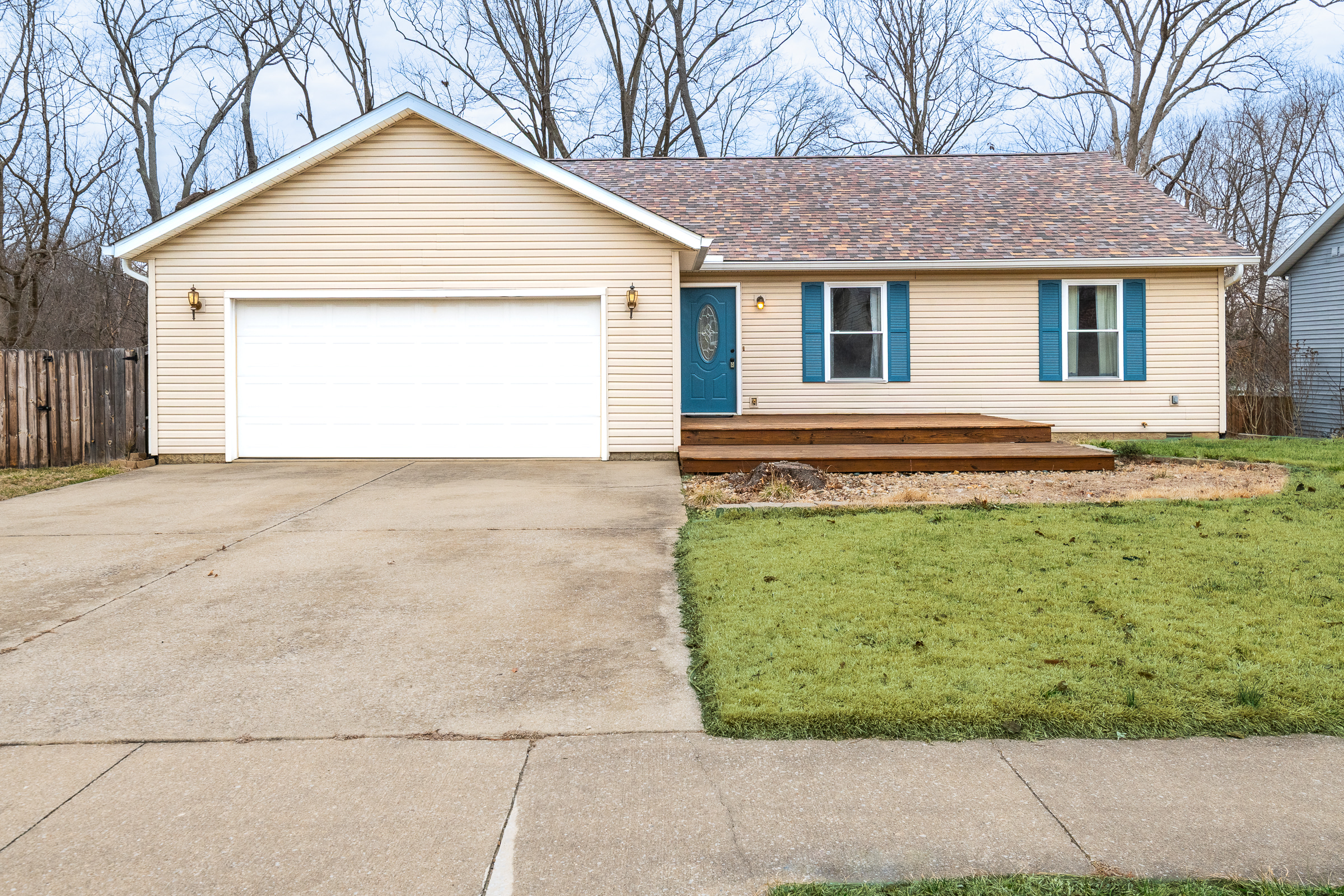
What Happens After You Accept an Offer on Your Home in Bloomington Indiana?
After you accept an offer on your home in Bloomington, Indiana, the sale is not finished yet. You still have inspections, possible repair negotiations, appraisal, lender steps, title work, packing, moving plans, and closing to get through before the home officially changes hands.
That sounds like a lot because, well, it is a lot.
But it is manageable when you know what is coming.
I’m Lesa Miller, Broker and REALTOR® with Lesa Miller Real Estate and RE/MAX Acclaimed Properties in Bloomington, Indiana. I help sellers across Bloomington, Bedford, Monroe County, Lawrence County, Greene County, Brown County, Owen County, Morgan County, and nearby South-Central Indiana communities understand the selling process from listing to closing.
And this is the part sellers often underestimate. Getting an offer feels like the big moment. It is exciting. It should be. But accepting the offer starts the next phase of the process, and that phase needs attention.
Not panic. Attention.
Here is what usually happens after you accept an offer on your Bloomington home.
1. The accepted offer becomes the roadmap
Once you accept an offer, the purchase agreement becomes the roadmap for the rest of the transaction. It outlines the purchase price, closing date, earnest money, financing terms, inspection rights, appraisal terms, possession, included items, excluded items, and any other agreed-upon details.
This is where the details matter.
If the buyer asked for certain appliances, that should be clear. If you need possession for a certain number of days after closing, that should be written into the agreement. If curtains, shelving, a freezer, or a special fixture are not staying, that should be handled before things get messy.
And yes, these things can get messy.
People remember conversations differently when stress goes up. That is why the written agreement matters. It gives everyone something to refer back to instead of relying on “I thought we said…” during the week of closing when everyone is tired and boxes are everywhere.
If you are still earlier in the selling process and want a bigger-picture seller guide, read this article on how to sell a home in Bloomington Indiana without guessing on price.
2. Earnest money is usually delivered shortly after acceptance
After the offer is accepted, the buyer usually has a deadline to deliver earnest money. Earnest money is a deposit that shows the buyer is serious about moving forward with the purchase.
The amount and deadline should be stated in the agreement.
This money does not usually go directly to the seller right away. It is typically held by the agreed-upon party, often a brokerage, title company, or another escrow holder, depending on the contract. At closing, it is usually credited toward the buyer’s purchase.
For sellers, the main thing is knowing the earnest money was delivered on time.
If it is late, missing, or handled incorrectly, that needs attention. Most of the time, it is a routine step. But routine does not mean unimportant.
3. The inspection period begins
The inspection period is one of the most important parts of the sale after an offer is accepted.
During this time, the buyer usually has the right to inspect the home. They may hire a home inspector, and depending on the property, they may also inspect for things like radon, septic, well, sewer line, pests, roof, chimney, mold concerns, structural issues, or other property-specific items.
Some homes need more inspections than others.
A home in town may be different from a rural property. An older Bloomington home may bring up different questions than a newer home. A property with a basement, outbuildings, a septic system, or acreage may need a closer look at certain items.
This does not mean something is wrong. It means the buyer is doing their homework.
Sellers sometimes get nervous about inspections because it feels like someone is picking the house apart. And honestly, inspection reports can look scarier than they are. They often include photos, arrows, notes, and long lists of things that range from minor maintenance to larger concerns.
The key is not to panic when the report comes back.
Wait to see what the buyer actually requests.
4. Repair requests may come next
After inspections, the buyer may accept the home as-is, ask for repairs, ask for a credit, request a price adjustment, or in some cases decide not to move forward if the contract allows it.
This is where negotiations can feel emotional.
You may think, “We lived here for years and it was fine.” The buyer may think, “I don’t want to inherit this issue after closing.” Both reactions are human.
The goal is to separate the small stuff from the items that could affect safety, financing, insurance, or the buyer’s comfort level. A loose doorknob is not the same as a major roof issue. A dirty filter is not the same as a failing HVAC system. A missing outlet cover is not the same as an electrical concern.
Sometimes repairs are handled before closing. Sometimes the parties agree to a credit or another solution. Sometimes the seller says no. Sometimes the buyer decides whether they are comfortable moving forward.
There is no one answer for every home.
If you want to avoid problems before the home ever goes under contract, this article on what mistakes sellers make when listing a home in Bloomington Indiana is worth reading.
5. The appraisal may be ordered if the buyer has financing
If the buyer is getting a mortgage, the lender will usually order an appraisal. The appraiser’s job is to give the lender an opinion of value based on the property, recent sales, condition, location, and other market factors.
Sellers sometimes think the appraisal is the same as a home inspection. It is not.
The inspection is mainly for the buyer’s understanding of the home’s condition. The appraisal is mainly for the lender to confirm the value supports the loan.
If the appraisal comes in at or above the purchase price, that part usually moves along. If the appraisal comes in low, then the buyer, seller, agents, and lender may need to work through the options.
A low appraisal can lead to a price adjustment, the buyer bringing extra cash, a challenge to the appraisal if there is support for it, or another negotiated solution. Sometimes it still works out. Sometimes it gets bumpy.
This is one reason pricing correctly before listing matters so much. A strong offer is great, but the deal still needs to survive the steps that happen after acceptance.
If your home has been listed and buyer activity is not matching expectations, this article on when to reduce the price of your home in Bloomington Indiana explains how market feedback can help guide decisions.
6. The title company starts preparing for closing
While inspections and financing are happening, the title company starts working behind the scenes. They review ownership, liens, payoffs, taxes, legal descriptions, and other details needed for closing.
This part is not glamorous. Nobody puts title work on a postcard.
But it matters.
The title company may need mortgage payoff information, seller details, marital status information, estate documents if applicable, trust documents if applicable, HOA information, or other paperwork depending on the property and ownership situation.
If the home is part of an estate, inherited property, divorce, trust, or has multiple owners, this step can require extra time and coordination.
This is where sellers can help by responding quickly when paperwork is requested. The faster the needed information is provided, the easier it is to keep the file moving toward closing.
7. The buyer’s lender continues working on the loan
If the buyer has financing, the lender keeps working after the offer is accepted. The buyer may need to provide updated documents, answer underwriting questions, confirm employment, explain deposits, finalize insurance, and satisfy lender conditions.
As the seller, you are not managing the buyer’s loan. But the buyer’s financing still affects your closing.
That is why a pre-approval matters when reviewing offers. It is also why your agent should stay in communication with the buyer’s side during the process.
A buyer can be excited and still have loan conditions to satisfy. A closing date can look fine on paper and still need lender, title, appraisal, and document timing to line up.
This is one of those parts of real estate where everyone wants certainty, and the process says, “That’s cute.”
You plan, follow up, and keep moving.
8. You still need to keep the home in good condition
After accepting an offer, the home needs to stay in the condition agreed upon in the contract. Sellers sometimes mentally move out the minute the offer is accepted. I get it. You are tired. You cleaned, showed the home, reviewed offers, and now you want to be done.
But the buyer usually has a final walk-through before closing.
That means the home should be maintained, utilities should stay on as required, agreed-upon repairs should be completed, and anything included in the sale should still be there.
Do not remove fixtures that were supposed to stay. Do not turn off utilities too early. Do not let the yard fall apart if closing is weeks away. Do not create new damage while moving furniture and then hope nobody notices.
They will notice.
The final walk-through is usually not a full inspection. It is often the buyer’s chance to confirm the home is in the expected condition, agreed repairs were completed if applicable, and included items are still present.
9. Packing and moving need a real plan
Once you accept an offer, the countdown starts.
This is where sellers sometimes realize how much stuff is in the house. Closets, garage shelves, attic storage, basement corners, sheds, junk drawers, old paint cans, tools, holiday bins, paperwork, random cords nobody recognizes.
A house holds more than people think.
Start early. Do not wait until the week of closing to figure out where everything is going. If you are downsizing, moving out of state, handling an estate, or coordinating with family, give yourself more time than you think you need.
Also confirm possession terms. Sometimes possession happens at closing. Sometimes the seller has agreed-upon time after closing. Sometimes the timeline is tight. You need to know exactly when you are expected to be out and what condition the home should be in.
The goal is to avoid that awful last-minute scramble where everyone is exhausted, the movers are waiting, and someone is still pulling mystery items out of a closet.
Nobody needs that.
10. Closing day is when ownership transfers
Closing is when the final documents are signed, funds are handled, and ownership transfers according to the agreement.
Before closing, the title company or closing agent will usually provide the final numbers. You will see your payoff, closing costs, tax prorations, credits, and the amount you should receive, if applicable.
Review the numbers carefully. Ask questions if something does not make sense.
At closing, you will sign seller documents. Once everything is signed, funded, and recorded as required, the sale is complete. The buyer gets ownership, and possession happens according to the contract.
This is the finish line, but it can still feel emotional.
Selling a home is not just paperwork. It can mean leaving a place where a lot of life happened. Some sellers are thrilled. Some are relieved. Some are sad. Most are a mix of all three.
That is normal.
What sellers should remember after accepting an offer
Accepting an offer is a major step, but it is not the end of the process. The home still has to make it through inspection, any repair negotiations, appraisal if needed, title work, buyer financing, final walk-through, and closing.
The best thing you can do is stay responsive, keep the home in good condition, handle agreed-upon items on time, and ask questions before small issues become bigger ones.
Lesa Miller is a Broker and REALTOR® with Lesa Miller Real Estate and RE/MAX Acclaimed Properties in Bloomington, Indiana. She helps sellers, buyers, retirees, first-time buyers, relocation clients, veterans, and estate sellers across Bloomington, Bedford, Monroe County, Lawrence County, Greene County, Brown County, Owen County, Morgan County, and nearby South-Central Indiana communities.
If you are selling a home in Bloomington or South-Central Indiana and want to understand what happens from accepted offer to closing, reach out before you feel overwhelmed by the paperwork, deadlines, and moving boxes.